
Recovery & Healing Timeline
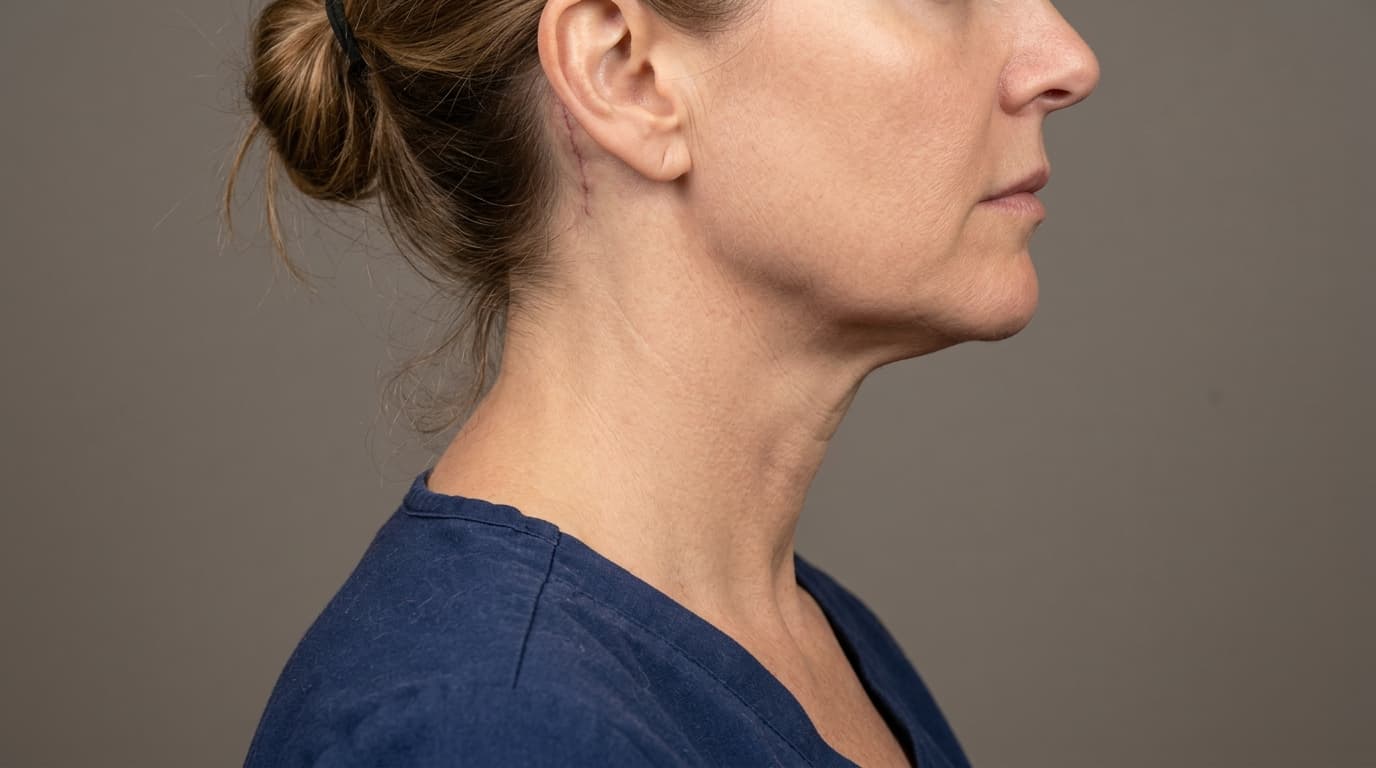
How Facelift Is Performed
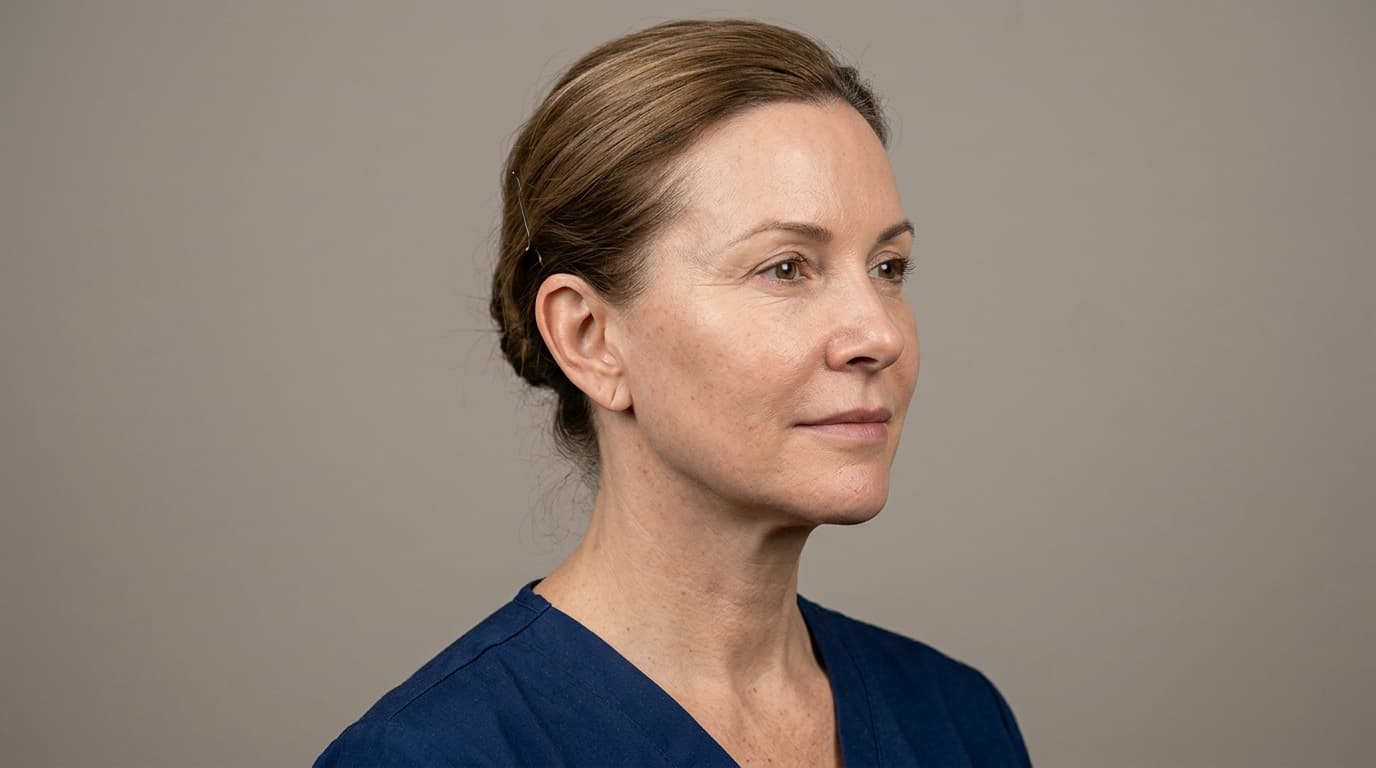
Deep-Plane Facial Rejuvenation
Facelift
- Lifting of sagging tissue
- Restored jawline and neck definition
- Natural expression preserved
- Individual planning based on facial anatomy
A facelift repositions deep soft tissues that have descended with ageing. Pulling skin alone is short-lived and looks artificial. A deep-plane approach releases SMAS and ligaments together, restoring the midface, jawline and neck in a natural way.
Personal consultation
Detailed facial analysis, discussion of goals, and personalized surgical planning with the surgeon.
Procedure at a glance
Returning deep anatomy to a youthful position
Facial ageing is not only skin-deep. Fat pads descend, ligaments loosen, the SMAS sags and the jaw–neck line blurs. Pulling skin is therefore inadequate and short-lived. A deep-plane facelift releases skin and SMAS together in a deep anatomical plane so the facial unit is repositioned naturally — expression is preserved, without a pulled look.
- 01A skin-only lift is no longer recommended
- 02SMAS lifting lasts longer but midface effect can be limited
- 03Deep plane gives a stronger, more natural midface and jawline
Postoperative Recovery Process
Risks and Safety
- 01Swelling and bruising
- 02Temporary sensory changes
- 03Haematoma (rare)
- 04Asymmetry
Sound technique, individualised planning and careful follow-up reduce complication risk.
Procedures
Frequently Asked Questions
Ready to start your journey?
Book a private consultation with Op. Dr. Hasan Kara.