Midface hollowing and loss of volume on the back of the hand can be filled two ways: cross-linked HA or the patient’s own fat. The fat-grafting page and the filler page meet the same need with different biologies.
HA: office, predictable, reversible
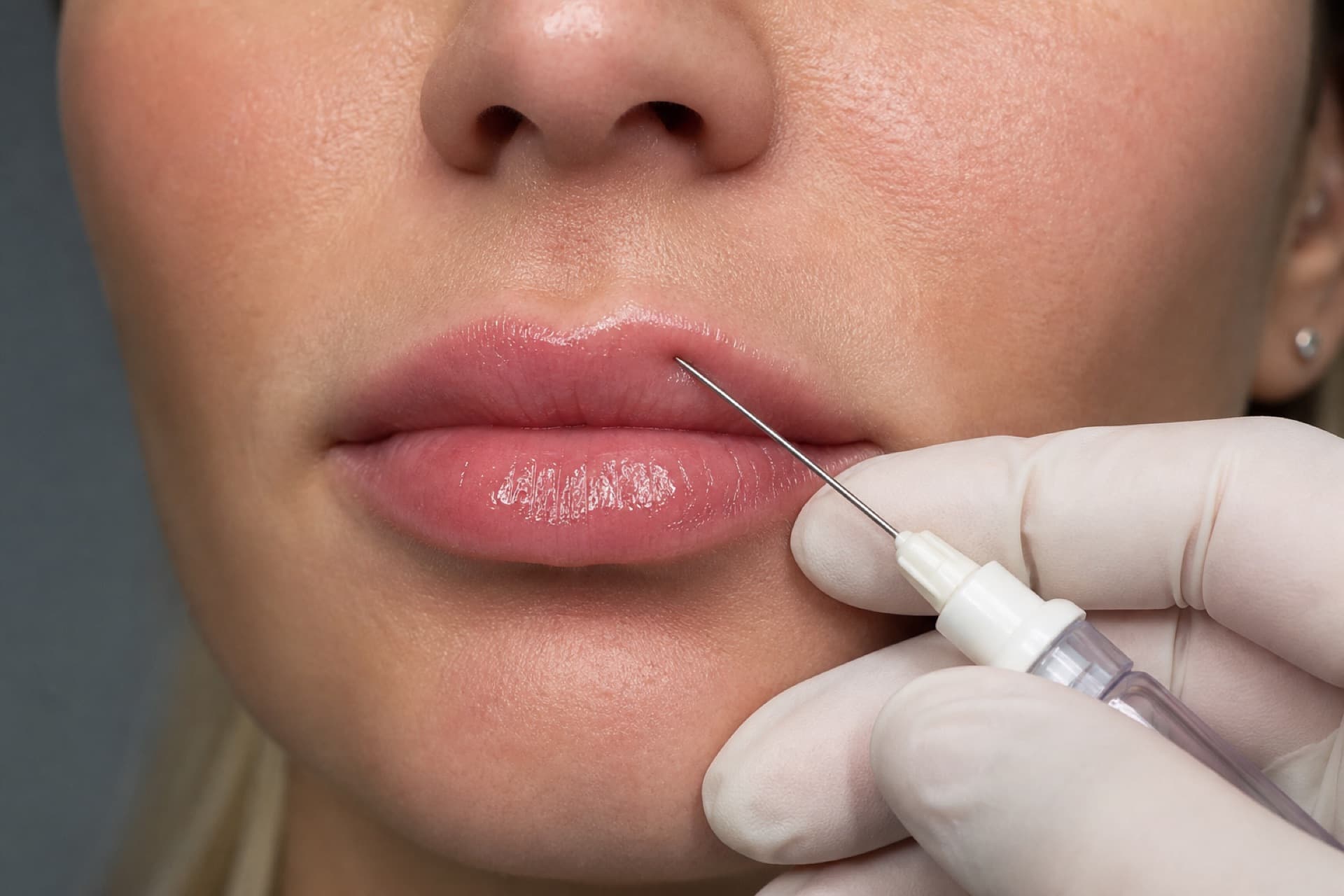
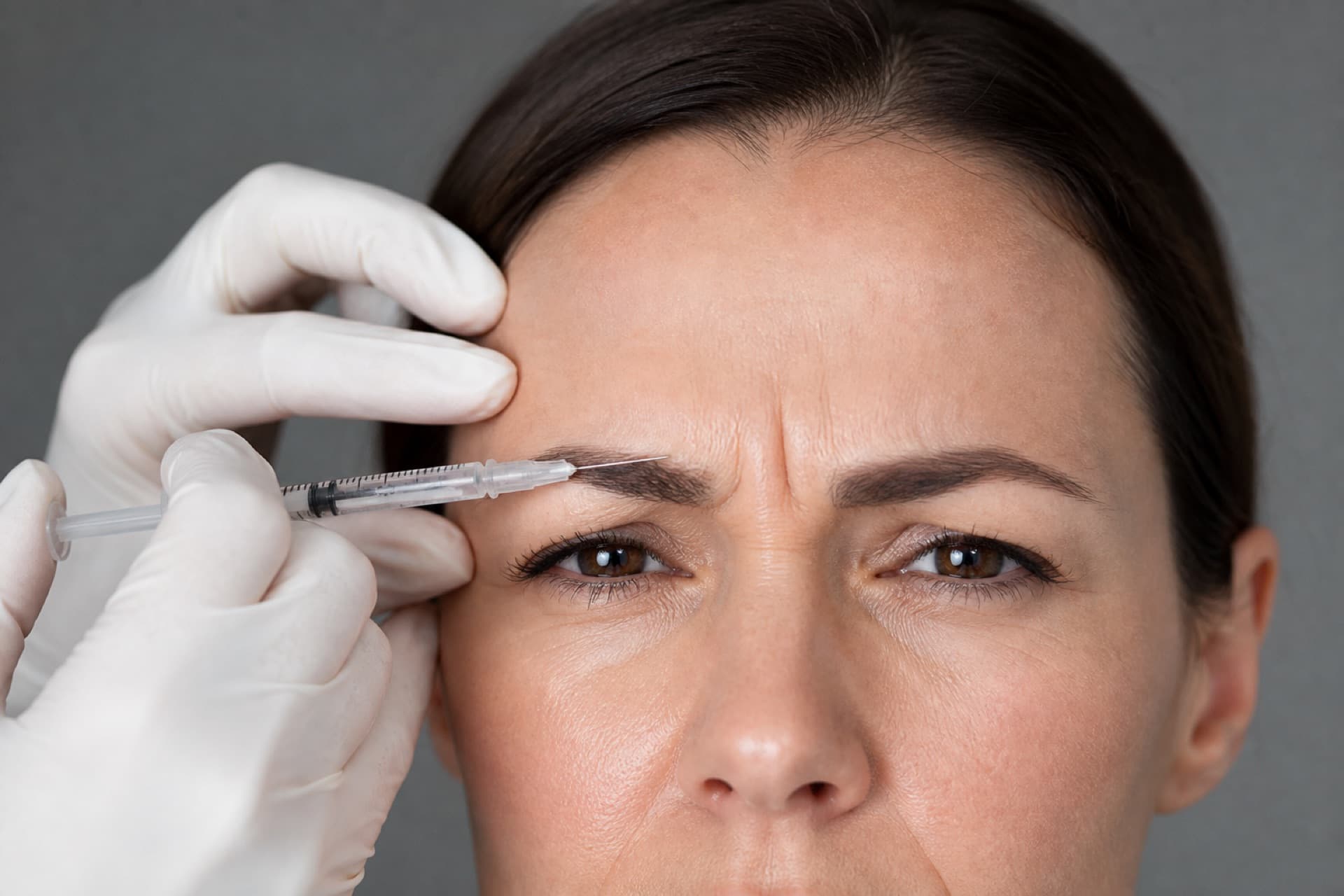
Gel is measured in millilitres, can be dissolved with enzyme, and has a hyaluronidase protocol in vascular emergency. Duration is roughly 6–18 months. Infection and occlusion risk follow injection anatomy. It does not need a theatre.
Fat: a living graft, variable take
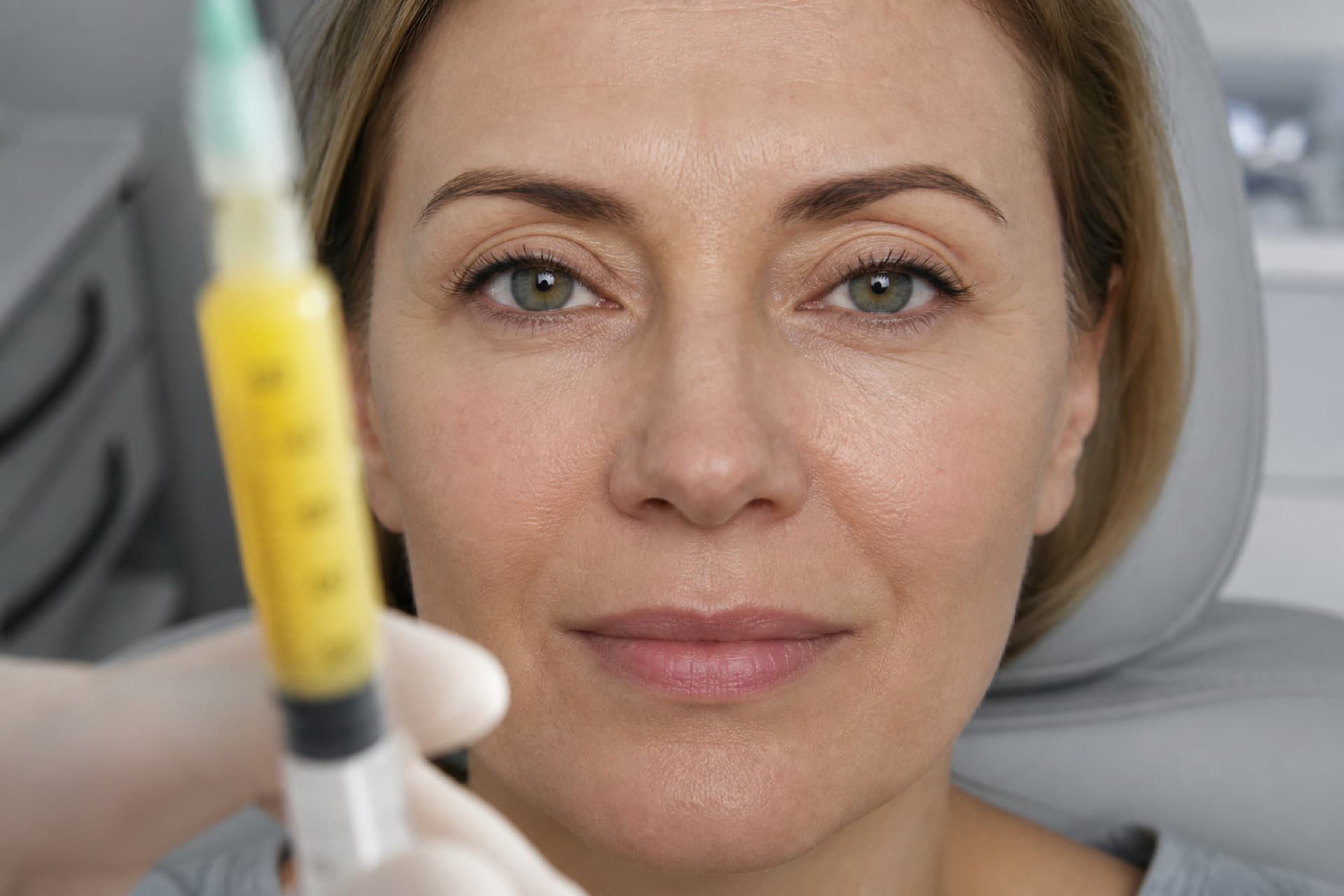
Fat is harvested, processed and placed in the recipient bed as micro-packets. Some adipocytes survive; take varies by person, technique and site. It cannot be erased on the spot. As the patient’s own tissue it carries no exogenous allergenic protein. It needs surgical logistics, sterility and sometimes sedation. Longevity potential is higher than HA; a touch-up session may be required.
Fat is a natural option when filler cannot go there, or when the patient does not want repeating millilitres. Trial-and-error that needs emergency dissolution is HA’s field.
Choosing in the midface
When ptosis is marked, neither moves SMAS; the facelift indication remains. If volume lack leads, the patient is ready for surgery and donor fat is adequate, graft; if staged office trial and reversibility lead, HA.
On the dorsum of the hand, in a hollow temple and in thin skin after rhinoplasty, fat can sit more ‘like tissue’ than HA. Part of the graft resorbs; that is graft biology, not failure. Smoking and unstable weight lower take.
Occlusion of HA wants emergency hyaluronidase. Fat embolism is a different catastrophe; blind bolus and high pressure are contraindicated. Neither is ‘harmless filler’.
In short
HA is a dissolvable proportion tool. Fat is a living, partly lasting, surgical graft. Which is ‘more natural’ depends on tissue and expectation — not a slogan.